


How Red Light Therapy Enhances Your Well-being
- Aug 25, 2025
- 3 min read
Red light therapy has gained significant attention in recent years as a non-invasive treatment that promotes health and wellness. This innovative therapy uses specific wavelengths of red and near-infrared light to stimulate cellular function and improve various aspects of physical and mental well-being. Whether you are looking to reduce pain, improve skin health, or boost energy levels, understanding how red light therapy uses can help you make informed decisions about incorporating it into your routine.
Exploring Red Light Therapy Uses for Health and Wellness
Red light therapy uses a natural process called photobiomodulation, where light energy penetrates the skin and stimulates cells to produce more energy. This process enhances cellular repair, reduces inflammation, and promotes overall healing. Some of the most common uses include:
Skin rejuvenation: Red light therapy can improve collagen production, reduce wrinkles, and help with acne scars.
Pain relief: It is effective in reducing joint pain, muscle soreness, and inflammation.
Wound healing: The therapy accelerates tissue repair and reduces recovery time.
Mood enhancement: Exposure to red light can improve mood and reduce symptoms of depression.
Improved circulation: It helps increase blood flow, which supports better oxygen and nutrient delivery to tissues.
These uses make red light therapy a versatile tool for enhancing well-being naturally and safely.

Red light therapy device emitting therapeutic light
Understanding the Science Behind Red Light Therapy Uses
The effectiveness of red light therapy lies in its ability to stimulate mitochondria, the energy-producing parts of cells. When exposed to red and near-infrared light, mitochondria increase the production of adenosine triphosphate (ATP), which fuels cellular activities. This boost in energy helps cells repair damage, reduce oxidative stress, and improve function.
For example, in skin cells, increased ATP production leads to enhanced collagen synthesis, which tightens and smooths the skin. In muscles and joints, it reduces inflammation and promotes faster recovery from injury or strain. The wavelengths used typically range from 600 to 900 nanometers, which can penetrate the skin to varying depths depending on the specific wavelength.
This scientific foundation explains why red light therapy uses are so broad and effective across different health concerns.

Red light therapy panel mounted for treatment
Does the Red Light Therapy Really Work?
Many people wonder if red light therapy is just a trend or if it truly delivers results. Scientific studies and clinical trials have provided promising evidence supporting its benefits. For instance, research shows that red light therapy can:
Reduce pain and inflammation in conditions like arthritis and tendonitis.
Improve skin texture and reduce signs of aging.
Accelerate wound healing and tissue repair.
Enhance muscle recovery after exercise.
However, results can vary depending on factors such as the device used, treatment duration, and individual health conditions. Consistency is key, as most protocols recommend multiple sessions per week over several weeks to see noticeable improvements.
It is also important to use devices that emit the correct wavelengths and power levels to ensure safety and effectiveness. Consulting with a healthcare professional before starting red light therapy is advisable, especially for those with underlying health issues.
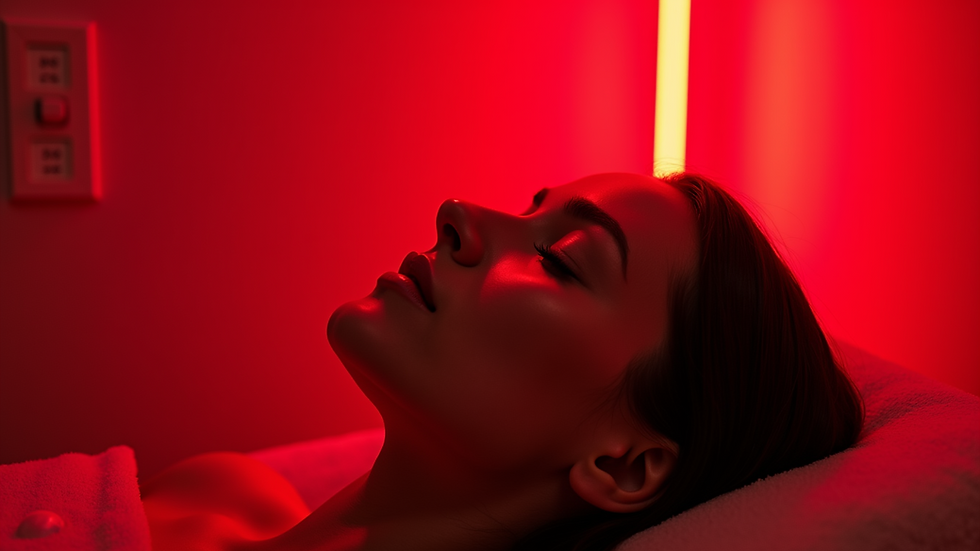
Red light therapy session in progress
Practical Tips for Incorporating Red Light Therapy Into Your Routine
If you are considering adding red light therapy to your wellness regimen, here are some actionable recommendations:
Choose the right device: Look for devices that specify wavelengths between 600-900 nm and have sufficient power output.
Follow treatment guidelines: Sessions typically last 10-20 minutes per area, 3-5 times a week.
Be consistent: Regular use over several weeks is necessary to experience benefits.
Combine with healthy habits: Red light therapy works best alongside good nutrition, hydration, and exercise.
Monitor your response: Keep track of improvements and any side effects to adjust your routine accordingly.
For those interested in exploring the red light therapy benefits further, professional clinics and at-home devices offer various options tailored to different needs.
Embracing Red Light Therapy for Long-Term Well-being
Red light therapy offers a promising, natural approach to enhancing your overall health. By stimulating cellular energy and promoting healing, it supports skin health, pain management, and mental wellness. As more research emerges, its uses continue to expand, making it a valuable addition to modern wellness practices.
Whether you seek to improve your skin, reduce chronic pain, or boost your mood, red light therapy provides a safe and effective option. With proper use and realistic expectations, it can become a powerful tool in your journey toward better well-being.


Comments